Cellulite
Learn what causes cellulite and discover the clinical approaches used to improve skin smoothness, tissue quality, and overall body contour.

Understanding Cellulite
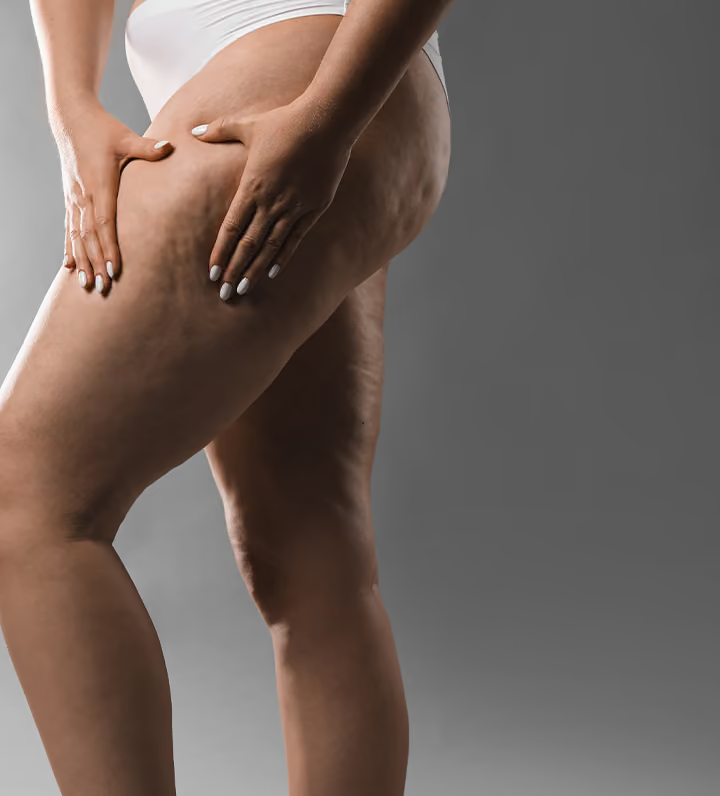
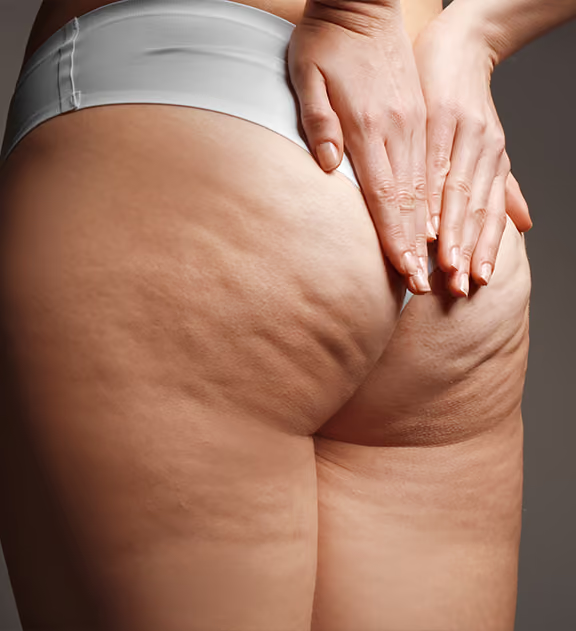
Cellulite is the dimpled or uneven appearance of the skin caused by fibrous connective bands pulling downward while underlying fat pushes upward. It most commonly develops on the thighs, buttocks, hips, and abdomen. Although cellulite is not a medical condition and poses no health risk, it is a common aesthetic concern influenced by skin structure, connective tissue, body composition, hormones, and genetics.
Common Causes & Contributing Factors
Cellulite develops through a combination of genetics, aging, hormonal changes, reduced collagen production, connective tissue structure, and body fat distribution. Weight fluctuations, decreased skin elasticity, and reduced muscle tone may make cellulite more noticeable, although it can occur in individuals of all sizes.
Clinical & Aesthetic Presentation
Cellulite appears as dimpling, puckering, or an uneven "orange peel" texture beneath the skin. It is most commonly seen on the thighs, buttocks, hips, and abdomen, and may become more pronounced when standing, sitting, or with age-related skin laxity.
Clinical & Functional Impact
Structural Tissue Changes
Cellulite results from changes beneath the skin rather than excess fat alone. Tightened connective tissue, declining collagen, and changes in the skin's supporting framework contribute to the characteristic uneven surface.
Skin Quality & Appearance
As collagen production declines and skin loses elasticity, cellulite may become more visible. Reduced skin thickness and tissue support can further accentuate dimpling and contour irregularities over time.
Common Patient Concerns
Individuals commonly seek treatment to smooth skin texture, reduce visible dimpling, improve body contours, and increase confidence when wearing fitted clothing or swimwear.
Aesthetic & Clinical Applications
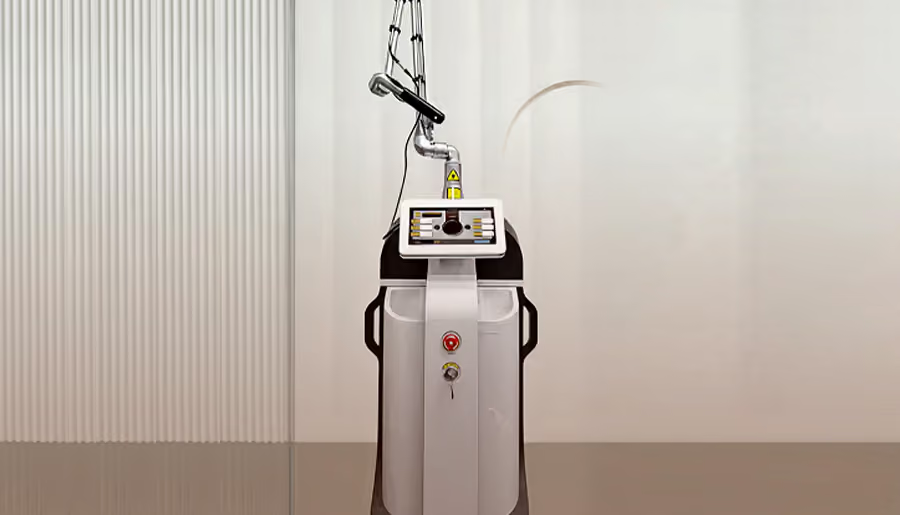
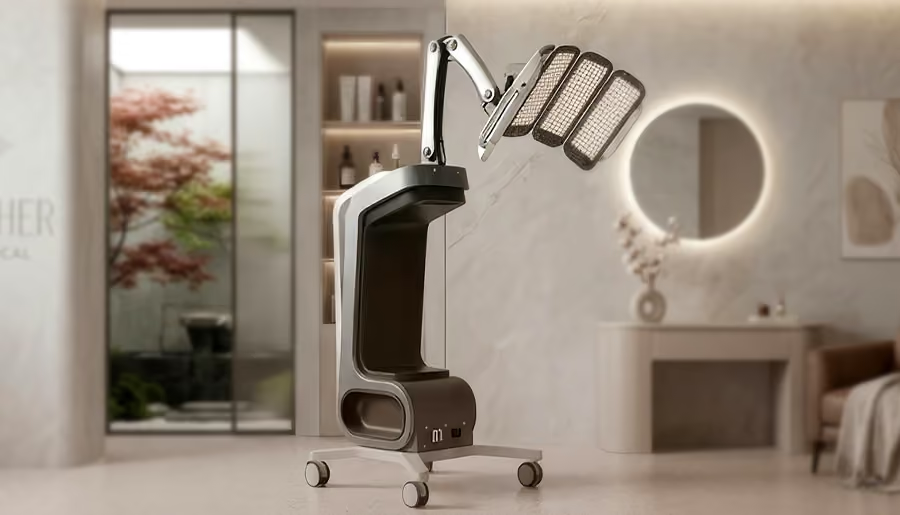
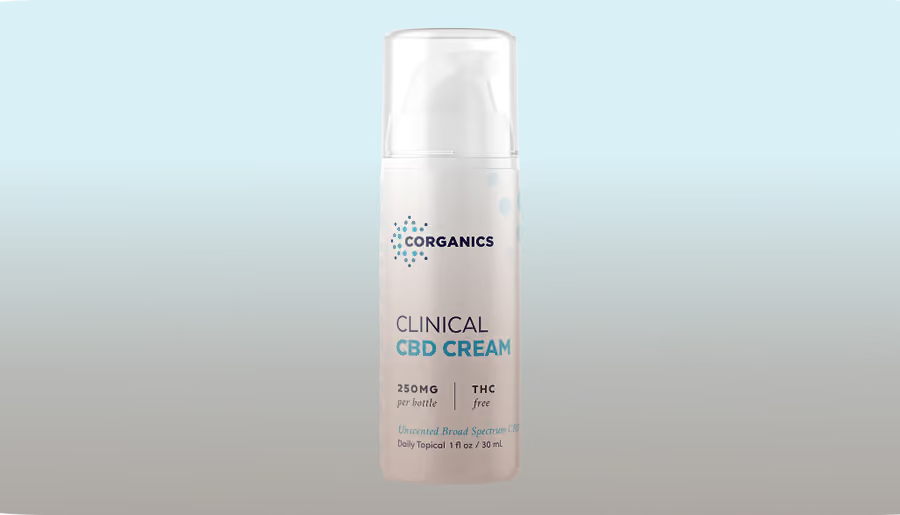
Cellulite treatment focuses on improving skin texture, supporting connective tissue, and enhancing overall body contour. Depending on the severity and location of cellulite, clinicians may combine energy-based technologies with regenerative approaches to create personalized treatment plans.
Energy-Based Technologies
Regenerative Approaches
How Modern Technologies Improve Cellulite
Modern treatment approaches target the structural causes of cellulite by improving connective tissue, stimulating collagen, and supporting healthier skin architecture.

Outcomes & Expected Improvements
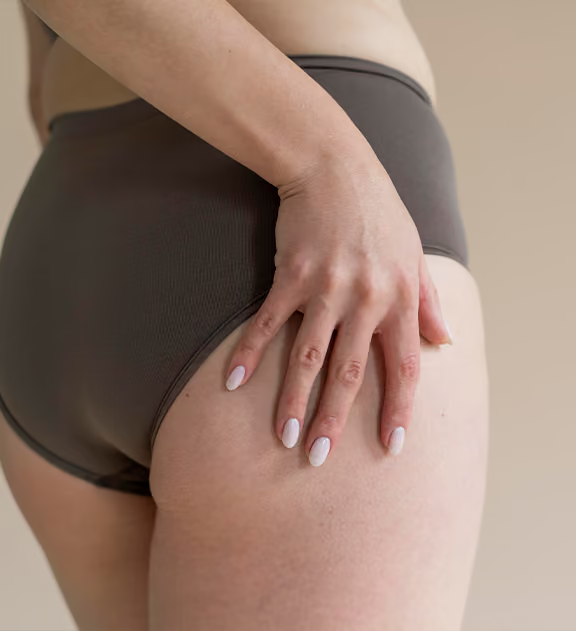
Comprehensive cellulite treatment is designed to improve skin texture, support healthier connective tissue, and enhance overall body contours.
Smoother Skin Texture
Personalized treatment strategies may help reduce the appearance of dimpling while improving skin smoothness and overall texture in treated areas.
Firmer, Healthier Skin
As collagen remodeling and tissue quality improve, many individuals notice firmer skin, enhanced elasticity, and more refined body contours.
Long-Term Body Confidence
With individualized treatment plans, healthy lifestyle habits, and ongoing maintenance, comprehensive care can help support lasting improvements in skin appearance and confidence.
Our Happy Clients
Products & Devices






Save With RPN
Take the first step with a free cost analysis tailored to your clinic. Our team will review your current purchasing approach and identify opportunities to reduce expenses and improve efficiency. From there, you can seamlessly schedule a discovery call to explore how RPN fits into your workflow.