Men's Health
A comprehensive guide to understanding men's health, changing physiological needs, and evidence-informed approaches that support strength, vitality, and lifelong wellness.



What Is Men's Health?
Men's health encompasses the physical, hormonal, reproductive, metabolic, and emotional factors that influence well-being throughout life. It includes preventive care and the management of health concerns that may affect men differently or occur more commonly within male populations.
Testosterone and other hormones influence sexual function, muscle mass, bone density, mood, energy, and body composition. Cardiovascular health, metabolism, prostate health, mental well-being, and lifestyle behaviors also play central roles in long-term function and quality of life.
A comprehensive approach to men's health emphasizes prevention, early assessment, and personalized care. This helps identify potential risks, address changing needs, and support sustained health through adulthood and healthy aging.
How Men's Health Changes Over Time
Hormonal Changes
Testosterone and other hormone levels may change with age, health status, medications, sleep, stress, and body composition.
Metabolic Shifts
Changes in muscle mass, activity, insulin sensitivity, and metabolism can influence energy, weight, and cardiovascular health.
Evolving Health Risks
Prostate, heart, bone, sexual, and cognitive health may require greater attention as men move through adulthood.
What Influences Men's Health?
Men's health reflects the combined effects of biology, behavior, medical history, and environment. Recognizing these factors supports earlier intervention, more personalized care, and better long-term health planning.
Hormonal Health
Testosterone, thyroid hormones, cortisol, and insulin influence energy, sexual function, mood, metabolism, muscle, and bone health.
Nutrition & Movement
Balanced nutrition and regular activity support cardiovascular fitness, strength, healthy body composition, and metabolic function.
Cardiovascular Health
Blood pressure, cholesterol, blood sugar, smoking, and family history all contribute to long-term heart and vascular risk.
Sexual & Prostate Health
Erectile function, fertility, urinary changes, and prostate health provide important insight into overall physical well-being.
Mental Well-Being
Stress, anxiety, depression, sleep quality, and social connection can significantly affect physical health and daily function.
Lifestyle Habits
Alcohol use, smoking, occupational demands, sleep patterns, and healthcare engagement influence health outcomes over time.
How Men's Health Is Assessed
Comprehensive evaluation combines medical history, physical health, preventive screenings, laboratory testing, lifestyle habits, and individual concerns.
Health History
Symptoms, medications, previous conditions, sexual health, family history, and daily habits provide essential clinical context.
Screening & Testing
Appropriate screenings and laboratory tests may evaluate cardiovascular, metabolic, hormonal, reproductive, and prostate health.
Functional Assessment
Energy, sleep, strength, body composition, mood, and sexual function help clarify how health changes affect daily life.
Personalized Care
Clinical findings, age, health risks, symptoms, and personal goals guide individualized recommendations and preventive planning.
Men's Health — Simply Explained
Understanding how hormones, metabolism, and body systems work together throughout life.
Hormonal Signaling
The brain and endocrine glands coordinate hormone production, influencing reproductive function, energy, mood, muscle development, and metabolism.
Metabolic Function
The body converts nutrients into energy while regulating blood sugar, fat storage, muscle maintenance, and other essential processes.
Vascular Health
Healthy blood vessels deliver oxygen and nutrients throughout the body, supporting the heart, brain, muscles, and sexual function.
Tissue Maintenance
Protein synthesis, hormone signaling, physical activity, and recovery help preserve muscle, bone, and connective tissue over time.
Age-Related Adaptation
As physiology changes with age, preventive care and healthy habits help preserve function, reduce risk, and support quality of life.
The Ripple Effect of Men's Health
Supporting men's health strengthens physical performance, metabolic function, emotional well-being, and long-term independence.
- Hormonal Health
- Sexual Wellness
- Heart Health
- Muscle Strength
- Metabolic Function
- Mental Well-Being
- Healthy Aging
- Quality of Life

Our Happy Clients
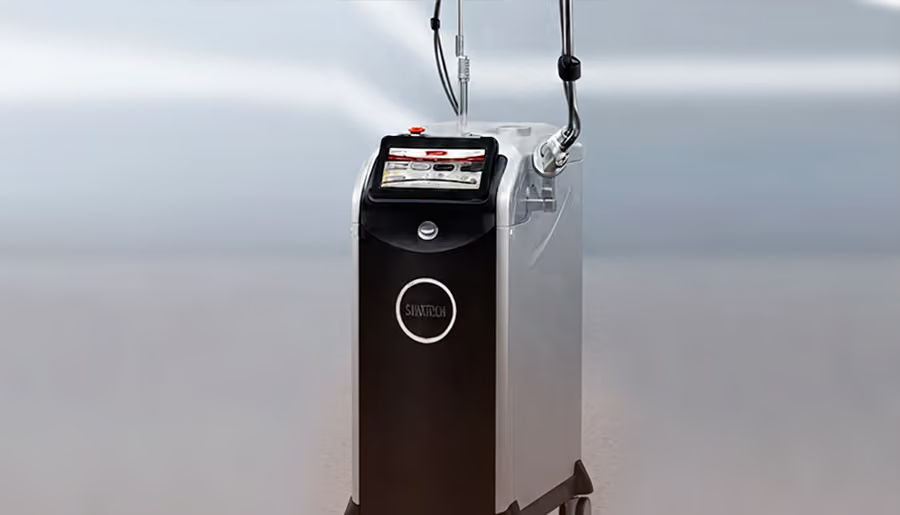
Products & Devices


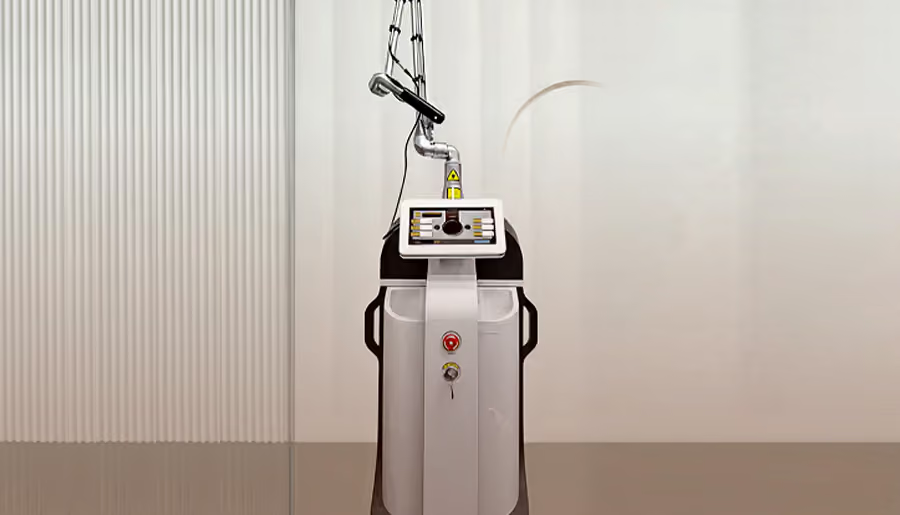





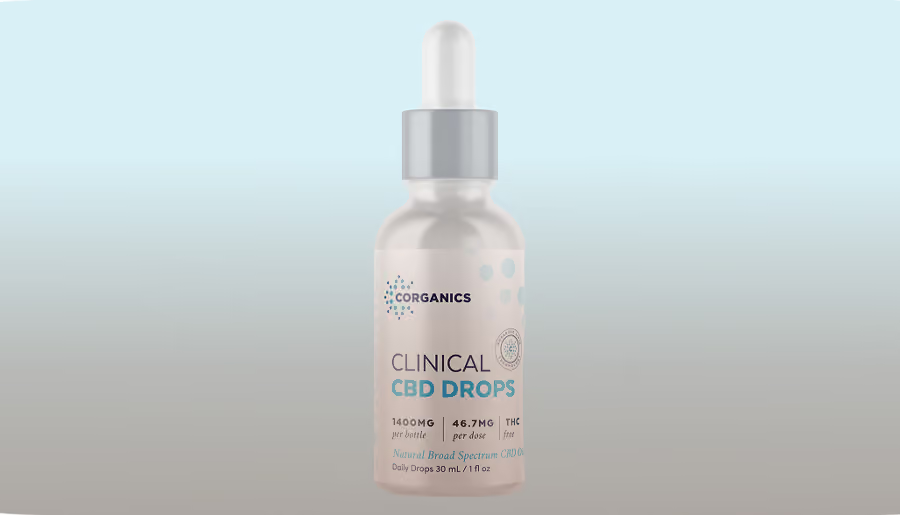
Save With RPN
Take the first step with a free cost analysis tailored to your clinic. Our team will review your current purchasing approach and identify opportunities to reduce expenses and improve efficiency. From there, you can seamlessly schedule a discovery call to explore how RPN fits into your workflow.