Obesity
Learn about obesity as a chronic medical condition and discover the comprehensive clinical approaches used to support sustainable weight management and long-term metabolic health.



Understanding Obesity
Obesity is a chronic medical condition characterized by excess body fat that may negatively affect overall health and increase the risk of numerous medical conditions. While nutrition and physical activity play important roles, obesity is also influenced by genetics, hormones, metabolism, medications, sleep quality, stress, and environmental factors. Effective management begins with identifying the underlying contributors unique to each individual.
Common Causes & Contributing Factors
Obesity develops through the interaction of multiple factors, including genetic predisposition, insulin resistance, hormonal imbalances, poor nutrition, physical inactivity, inadequate sleep, chronic stress, certain medications, and medical conditions. These factors can alter appetite regulation, energy expenditure, and fat storage over time.
Clinical & Functional Presentation
Individuals living with obesity may experience progressive weight gain, increased abdominal fat, reduced physical endurance, joint discomfort, shortness of breath during activity, fatigue, and changes in body composition. The condition may also coexist with metabolic disorders and other chronic health concerns.
Clinical & Functional Impact
Metabolic Health
Obesity can disrupt normal metabolic function, increasing the likelihood of insulin resistance, elevated blood sugar, abnormal cholesterol levels, high blood pressure, and metabolic syndrome. These changes may affect long-term health if left unaddressed.
Physical Well-Being
Excess body weight places additional strain on the musculoskeletal and cardiovascular systems, potentially contributing to joint pain, reduced mobility, sleep disturbances, decreased exercise tolerance, and limitations in everyday activities.
Common Patient Concerns
Many individuals seek medical support after struggling with long-term weight management, repeated cycles of weight loss and regain, declining energy levels, obesity-related health conditions, or difficulty achieving lasting results through diet and exercise alone.
Aesthetic & Clinical Applications
Comprehensive obesity management focuses on improving metabolic health, body composition, and overall wellness rather than weight alone. Depending on individual needs, personalized care plans may incorporate energy-based technologies and regenerative approaches alongside physician-guided lifestyle interventions.
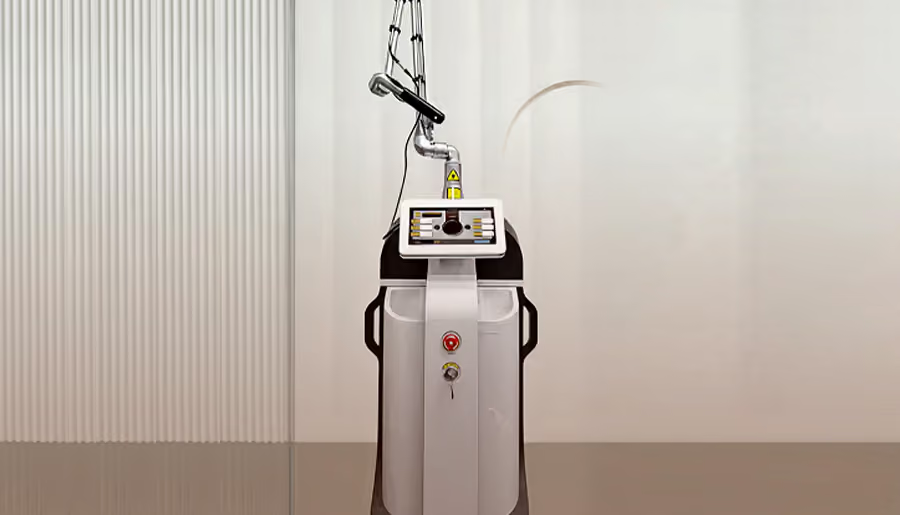
Energy-Based Technologies
Regenerative Approaches
How Modern Technologies Complement Weight Management
Technology-based and regenerative therapies are designed to support metabolic wellness, improve tissue function, and complement physician-guided weight management strategies.


Outcomes & Expected Improvements
Comprehensive obesity care is designed to improve metabolic health, enhance physical function, and support sustainable long-term wellness.
Better Metabolic Health
Personalized treatment strategies may help improve metabolic function, support healthier glucose regulation, and reduce obesity-related health risks when combined with sustainable lifestyle modifications.
Improved Physical Function
As body composition and overall health improve, many individuals experience greater mobility, increased energy, enhanced endurance, and improved participation in daily activities.
Sustainable Long-Term Wellness
With ongoing medical guidance and individualized care, comprehensive weight management programs can help support healthier habits, lasting metabolic improvements, and a higher quality of life over time.

Our Happy Clients

Products & Devices









Save With RPN
Take the first step with a free cost analysis tailored to your clinic. Our team will review your current purchasing approach and identify opportunities to reduce expenses and improve efficiency. From there, you can seamlessly schedule a discovery call to explore how RPN fits into your workflow.