Longevity
A comprehensive guide to understanding healthy aging, the biological processes that influence lifespan, and evidence-informed strategies that support long-term vitality and function.



What Is Longevity?
Longevity refers not only to how long a person lives, but also to how well the body and mind function throughout life. A longevity-focused approach prioritizes healthspan—the years lived with strength, independence, cognitive clarity, and a lower burden of preventable disease.
Aging is shaped by interconnected biological processes involving cellular repair, metabolism, inflammation, hormone regulation, immune function, and genetic expression. Over time, changes within these systems can influence energy, resilience, recovery, mobility, and vulnerability to chronic health concerns.
Healthy aging is not determined by genetics alone. Preventive care, nutrition, physical activity, sleep, stress management, environmental exposure, and social connection all contribute to long-term health and quality of life.
How the Body Ages Over Time
Cellular Change
Cells gradually experience changes in repair, energy production, communication, and resilience that may affect tissue function over time.
System Adaptation
Metabolic, hormonal, immune, cardiovascular, and neurological systems continually adapt as the body moves through different life stages.
Functional Reserve
Healthy habits help preserve the body's capacity to respond to stress, recover from illness, and maintain independence.
What Influences Longevity?
Healthy aging is shaped by the combined effects of biology, behavior, environment, and access to preventive care. Understanding these influences supports more proactive strategies for maintaining function and reducing long-term health risks.
Genetics
Inherited traits can influence disease risk, metabolism, cellular repair, and other biological factors associated with aging.
Nutrition
A nutrient-dense dietary pattern supports metabolic health, cellular repair, muscle preservation, and protection against nutritional deficiencies.
Physical Activity
Regular aerobic, resistance, balance, and mobility exercises support cardiovascular fitness, strength, bone health, and independence.
Sleep & Recovery
Consistent, restorative sleep supports brain function, hormone regulation, immune activity, tissue repair, and metabolic balance.
Stress & Connection
Stress regulation, meaningful relationships, and social engagement contribute to emotional health, resilience, and overall quality of life.
Preventive Care
Routine screenings, vaccinations, risk assessment, and early intervention help identify concerns before they significantly affect health.
How Longevity Health Is Assessed
A comprehensive longevity assessment combines medical history, functional capacity, lifestyle patterns, biomarkers, and personal priorities to evaluate current health and future risk.
Health History
Medical conditions, medications, family history, and previous health events provide important insight into long-term risk factors.
Biomarker Testing
Laboratory testing may evaluate metabolic, cardiovascular, hormonal, inflammatory, and nutritional markers related to overall health.
Functional Assessment
Strength, mobility, balance, cognition, cardiovascular fitness, and daily function help measure physical resilience and independence.
Personalized Planning
Clinical findings, risk factors, lifestyle habits, and personal goals guide individualized strategies for healthier aging.
How Healthy Aging Works — Simply Explained
The biology behind cellular maintenance, adaptation, and long-term resilience.
Cellular Maintenance
Cells continually repair damage, replace worn components, and regulate internal processes to preserve normal function and tissue health.
Energy Production
Cells convert nutrients into usable energy that supports movement, cognition, organ function, recovery, and everyday biological activity.
Stress Response
The body activates protective pathways in response to physical, emotional, and environmental stress before returning toward balance.
Repair & Renewal
Sleep, nutrition, movement, and recovery support tissue repair, immune regulation, protein turnover, and other restorative processes.
Lifelong Adaptation
The body continuously adjusts to age, activity, illness, and environment, making consistent health habits essential for preserving function.
The Ripple Effect of Healthy Longevity
Supporting healthy aging can preserve physical function, cognitive performance, independence, and quality of life across the lifespan.
- Cellular Health
- Cognitive Function
- Strength & Mobility
- Metabolic Health
- Cardiovascular Wellness
- Immune Resilience
- Independent Living
- Quality of Life


Our Happy Clients
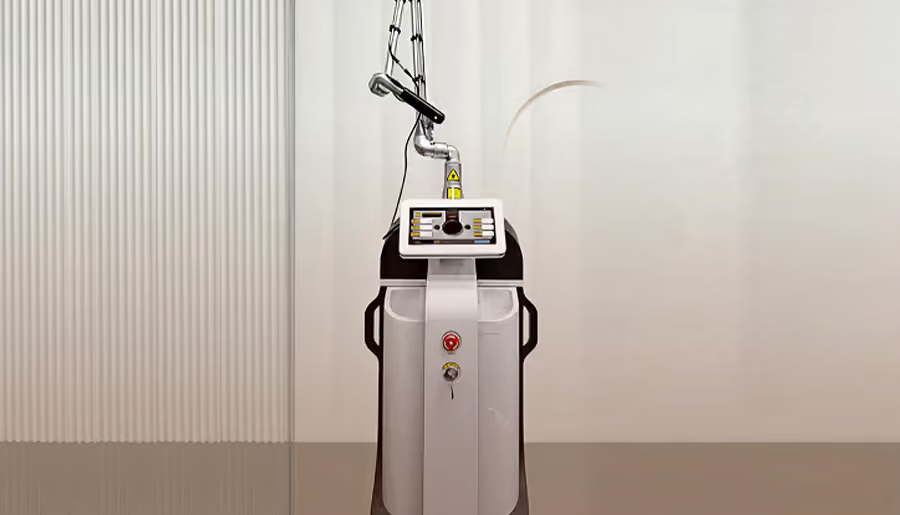
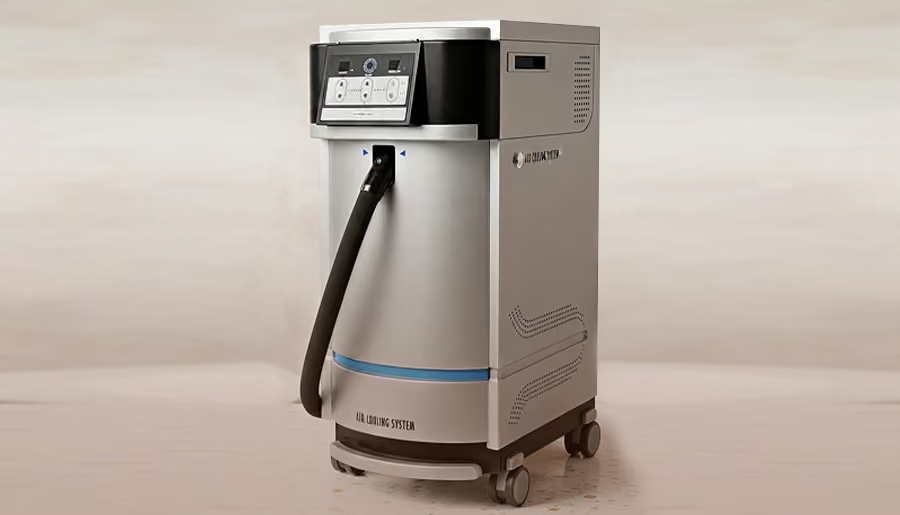
Products & Devices





Save With RPN
Take the first step with a free cost analysis tailored to your clinic. Our team will review your current purchasing approach and identify opportunities to reduce expenses and improve efficiency. From there, you can seamlessly schedule a discovery call to explore how RPN fits into your workflow.