Urinary Incontinence
Understand the causes of urinary incontinence and the clinical approaches used to support bladder control and pelvic function.


.avif)
Understanding Urinary Incontinence
Urinary incontinence is the involuntary loss of urine caused by changes in bladder control, pelvic floor support, or urinary tract function. It may result from aging, pregnancy, childbirth, menopause, prostate-related conditions, neurological disorders, or other underlying health concerns. Identifying the cause is essential for developing an appropriate treatment plan.
Causes & Contributing Factors
Pelvic floor weakness, changes in connective tissue, hormonal shifts, excess pressure on the bladder, urinary tract conditions, certain medications, neurological disorders, and prostate problems may contribute to urinary leakage. Pregnancy, childbirth, aging, menopause, obesity, chronic coughing, constipation, and previous pelvic surgery may also increase risk.
Clinical Presentation
Symptoms vary by type. Stress incontinence typically causes leakage during coughing, sneezing, laughing, lifting, or exercise, while urgency incontinence involves a sudden, difficult-to-control need to urinate. Some individuals experience features of both, along with frequent urination, nighttime symptoms, or leakage before reaching a restroom.
Clinical & Functional Impact
Activity-Related Leakage
Increased abdominal pressure during exercise, lifting, bending, coughing, or laughing may overcome weakened support around the bladder and urethra. Leakage can range from a few drops to more noticeable loss of bladder control.
Urgency & Frequency
Some individuals experience a sudden urge to urinate that is difficult to postpone, frequent restroom visits, or nighttime urination. These symptoms can interfere with sleep, travel, work, exercise, and other everyday routines.
Quality of Life Concerns
Concern about unexpected leakage may cause individuals to avoid physical activity, social events, travel, or intimacy. In clinical settings, patients often seek care when symptoms begin affecting comfort, confidence, independence, or participation in daily life.
Aesthetic & Clinical Applications
In wellness and clinical settings, urinary incontinence may be addressed through individualized approaches designed to improve pelvic support, neuromuscular coordination, tissue quality, and bladder control. The most appropriate strategy depends on the type of incontinence, symptom severity, medical history, and contributing anatomical or functional factors.
Energy-Based Technologies
Regenerative Approaches
How These Technologies Support Bladder Control
Clinical technologies may address urinary incontinence by supporting the muscles, nerves, and connective tissues involved in continence. These approaches are intended to complement appropriate medical evaluation and may work through several high-level mechanisms.


Outcomes & Expected Improvements
Outcomes vary based on the underlying cause and treatment approach, but clinical care is designed to improve bladder control, pelvic function, and overall quality of life.
Reduced Leakage Episodes
Appropriate clinical care may help decrease the frequency or volume of leakage associated with exercise, coughing, sudden urgency, or other common triggers.
Improved Pelvic Control
Strengthening and coordinating the pelvic floor may support better bladder control, greater awareness of pelvic muscles, and increased confidence during movement and physical activity.
Greater Daily Confidence
As symptoms improve, individuals may feel more comfortable exercising, traveling, sleeping, socializing, and participating in daily routines without the same level of concern about unexpected leakage.

Our Happy Clients

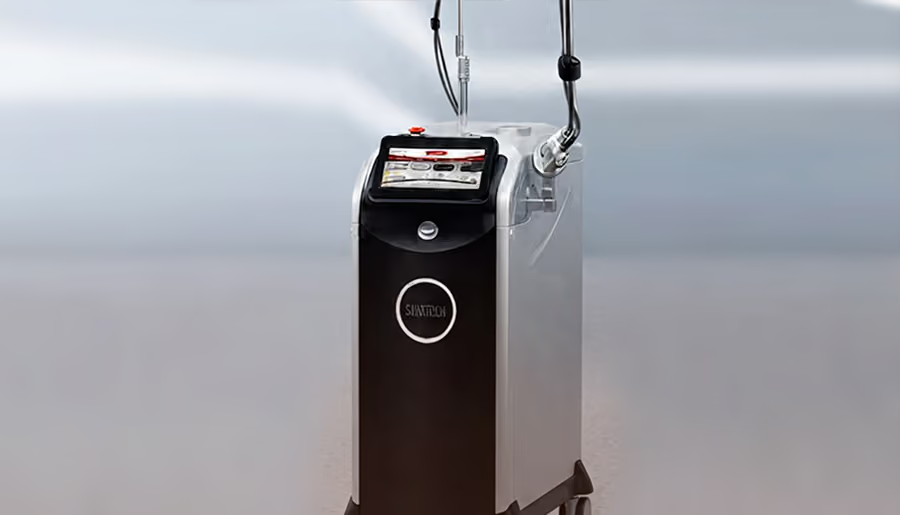
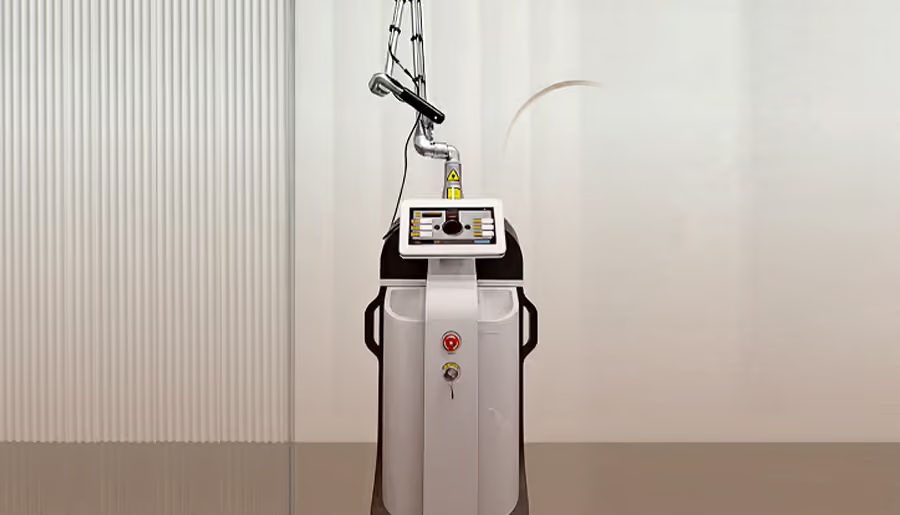
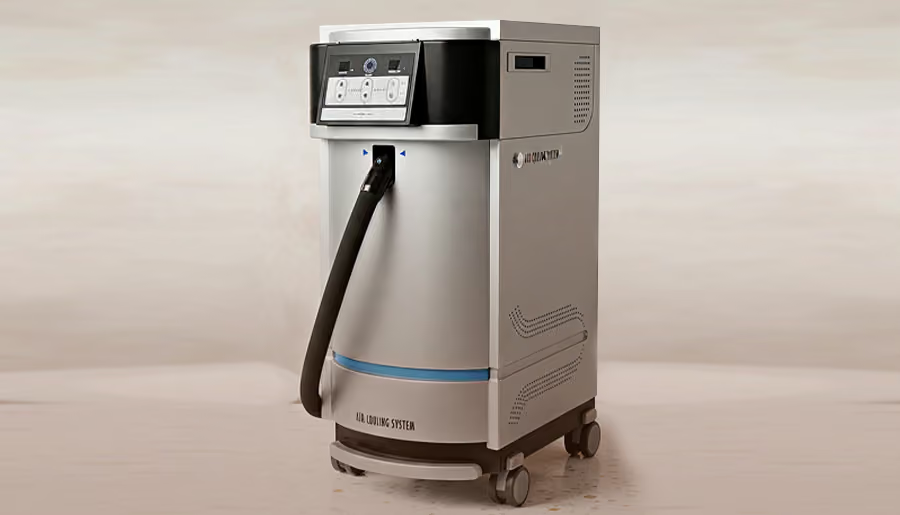
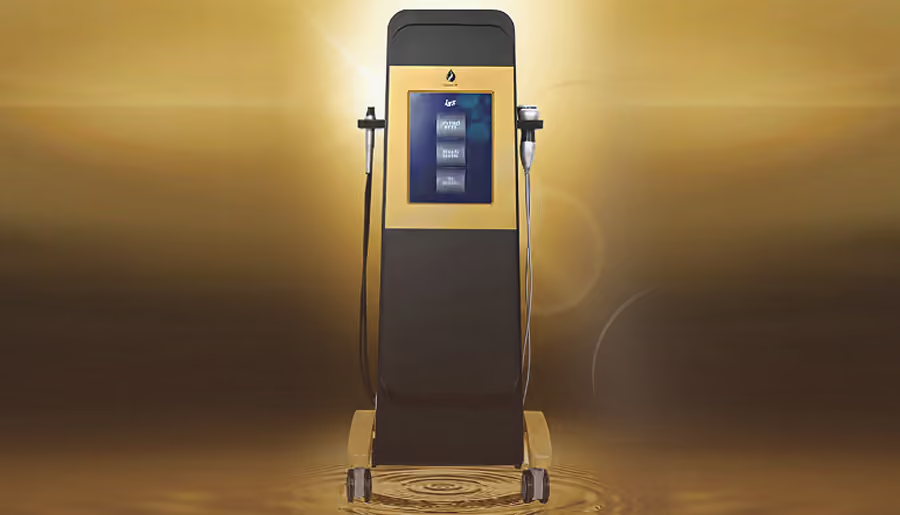
Products & Devices






Save With RPN
Take the first step with a free cost analysis tailored to your clinic. Our team will review your current purchasing approach and identify opportunities to reduce expenses and improve efficiency. From there, you can seamlessly schedule a discovery call to explore how RPN fits into your workflow.