Muscle Strength and Tone
Discover the factors that influence muscle strength and tone and explore the clinical approaches used to support physical performance, body composition, and long-term musculoskeletal health.



Understanding Muscle Strength & Tone
Muscle strength and tone naturally change throughout life due to aging, activity level, nutrition, hormonal health, and underlying medical conditions. Loss of muscle mass and reduced muscle function can affect mobility, posture, metabolism, and physical performance. Understanding the factors contributing to muscle decline is the first step toward developing an individualized treatment strategy.
Common Causes & Contributing Factors
Muscle weakness and reduced tone may result from aging, physical inactivity, inadequate protein intake, hormonal changes, chronic illness, neurological conditions, injury, prolonged immobilization, or recovery following surgery. Lifestyle habits and metabolic health also play important roles in maintaining healthy muscle tissue.
Clinical & Functional Presentation
Individuals may notice decreased muscle definition, reduced strength, lower endurance, slower recovery after exercise, changes in body composition, poor posture, or difficulty performing everyday physical activities. These changes may gradually affect overall function and quality of life.
Clinical & Functional Impact
Physical Performance
Reduced muscle strength can limit balance, coordination, endurance, and functional mobility. Over time, diminished muscle function may increase the risk of falls, injuries, and reduced independence in daily activities.
Metabolic Function
Skeletal muscle plays an important role in glucose regulation, energy expenditure, and overall metabolic health. Loss of lean muscle mass may contribute to slower metabolism, reduced insulin sensitivity, and changes in body composition.
Common Patient Concerns
Many individuals seek clinical care after experiencing age-related muscle loss, declining physical performance, reduced exercise results, prolonged recovery, or difficulty maintaining strength despite regular physical activity.
Aesthetic & Clinical Applications
Supporting muscle strength and tone often requires a comprehensive strategy that addresses muscle health, physical performance, recovery, and overall wellness. Depending on individual goals, treatment plans may incorporate energy-based technologies and regenerative approaches alongside exercise and nutritional guidance.
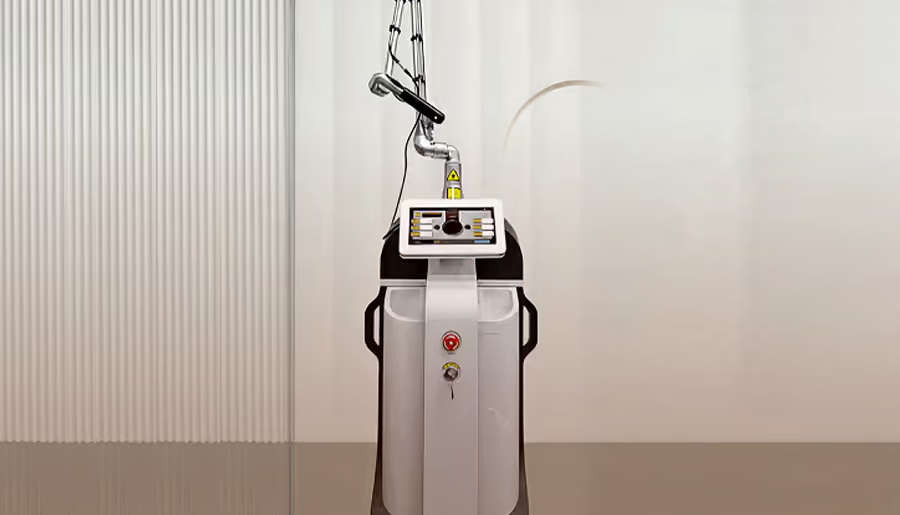
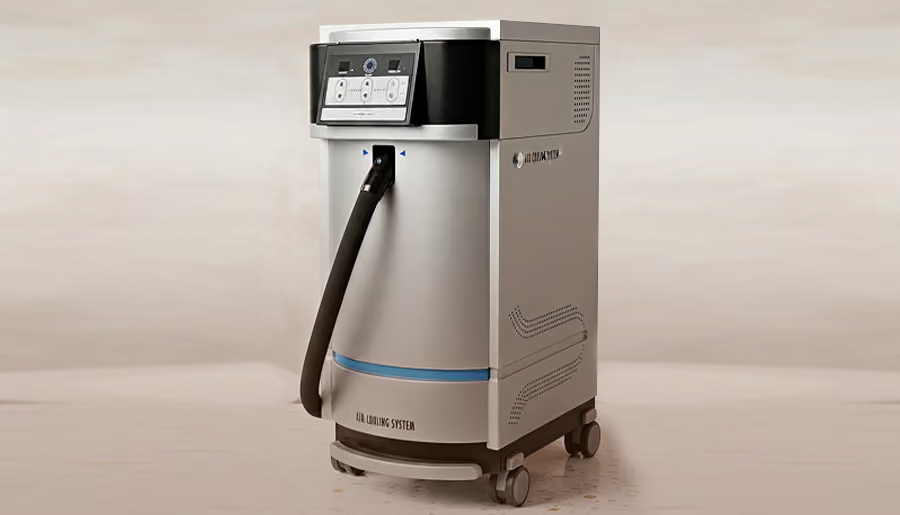
Energy-Based Technologies
Regenerative Approaches
How Modern Technologies Support Muscle Health
Advanced technologies support muscle function by promoting healthy muscle activity, encouraging tissue repair, and complementing comprehensive fitness and wellness programs.


Outcomes & Expected Improvements
Comprehensive muscle health programs are designed to improve strength, support functional movement, and promote healthier body composition.
Improved Strength & Endurance
Personalized treatment strategies may help improve muscle strength, endurance, and physical performance while supporting greater confidence during everyday activities and exercise.
Better Muscle Definition
As muscle function and body composition improve, many individuals notice enhanced muscle tone, improved posture, and a stronger, more athletic appearance.
Long-Term Musculoskeletal Wellness
With individualized clinical guidance, appropriate physical activity, and ongoing wellness support, comprehensive care can help maintain healthier muscles, improve mobility, and support long-term physical function.
Our Happy Clients
Products & Devices








Save With RPN
Take the first step with a free cost analysis tailored to your clinic. Our team will review your current purchasing approach and identify opportunities to reduce expenses and improve efficiency. From there, you can seamlessly schedule a discovery call to explore how RPN fits into your workflow.