Sleep
Learn about common sleep concerns and the clinical approaches used to support restorative sleep and overall wellness.



Understanding Sleep Concerns
Sleep concerns encompass a range of conditions that affect the quality, duration, or consistency of sleep. Factors such as chronic stress, aging, hormonal changes, medical conditions, poor sleep habits, and lifestyle factors can all contribute to disrupted sleep. Identifying the underlying cause is key to developing an effective treatment strategy.
Common Causes & Contributing Factors
Sleep disturbances may result from stress, anxiety, chronic pain, hormonal fluctuations, shift work, obstructive sleep apnea, restless legs syndrome, certain medications, excessive screen time, or irregular sleep schedules. Diet, caffeine, alcohol, and environmental factors may also affect healthy sleep patterns.
Clinical & Functional Presentation
Sleep concerns may present as difficulty falling asleep, frequent nighttime awakenings, non-restorative sleep, excessive daytime fatigue, snoring, or poor sleep quality. Over time, inadequate sleep can affect physical health, cognitive performance, mood, and overall quality of life.
Clinical & Functional Impact
Daytime Performance
Insufficient or poor-quality sleep may reduce concentration, memory, productivity, reaction time, and decision-making ability. Persistent fatigue can also affect work performance, physical activity, and daily functioning.
Whole-Body Health
Chronic sleep disruption has been associated with changes in metabolism, immune function, hormone regulation, cardiovascular health, and the body's natural recovery processes, making quality sleep an important component of overall wellness.
Common Patient Concerns
Individuals frequently seek clinical evaluation after experiencing ongoing insomnia, excessive daytime sleepiness, persistent fatigue, poor recovery, or sleep disturbances that interfere with everyday activities and overall well-being.
Aesthetic & Clinical Applications
In wellness and clinical settings, sleep concerns are often addressed through comprehensive care plans designed to support healthy sleep patterns, recovery, and overall physiological function. Depending on individual needs, treatment strategies may incorporate energy-based technologies and regenerative approaches alongside lifestyle interventions.
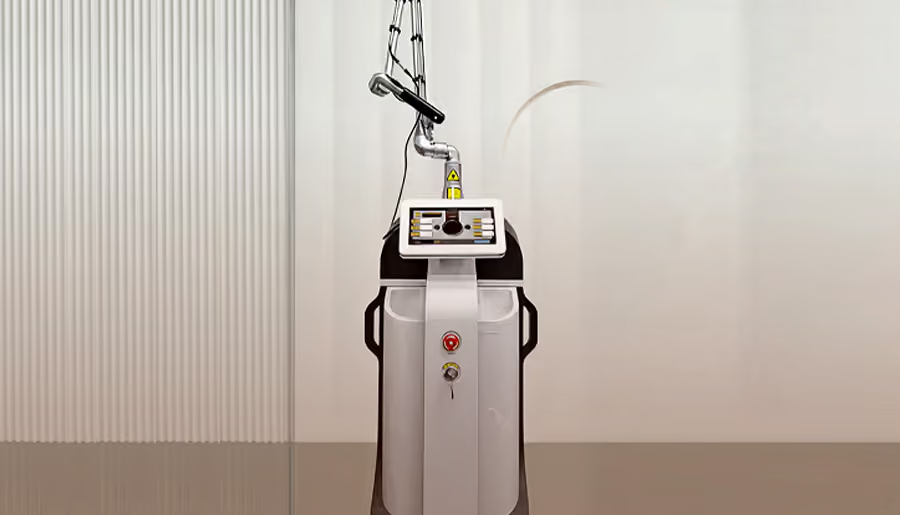
Energy-Based Technologies
Regenerative Approaches
How Modern Technologies Support Restorative Sleep
Technology-based and regenerative approaches support healthy sleep by promoting recovery, improving physiological function, and complementing comprehensive wellness care.


Outcomes & Expected Improvements
Comprehensive sleep care is designed to support healthier sleep patterns, improved recovery, and long-term wellness.
Better Sleep Quality
Clinical treatment strategies may help support more consistent, restorative sleep while reducing disruptions that interfere with healthy sleep cycles.
Improved Energy & Recovery
As sleep quality improves, individuals may experience better daytime energy, enhanced cognitive performance, improved physical recovery, and greater overall well-being.
Long-Term Wellness Support
When combined with healthy sleep habits and ongoing clinical guidance, comprehensive care can help promote sustainable sleep health and support long-term physical and mental wellness.

Our Happy Clients

Products & Devices









Save With RPN
Take the first step with a free cost analysis tailored to your clinic. Our team will review your current purchasing approach and identify opportunities to reduce expenses and improve efficiency. From there, you can seamlessly schedule a discovery call to explore how RPN fits into your workflow.