Melasma
Learn what causes melasma and discover the clinical approaches used to manage discoloration, improve skin clarity, and support long-term skin health.


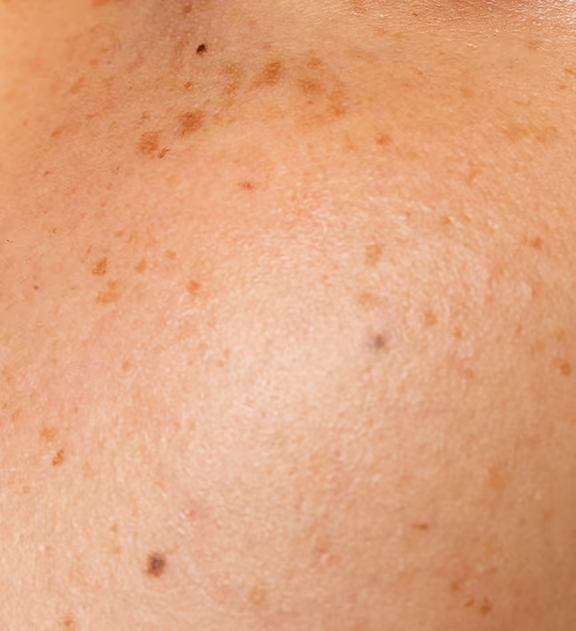
Understanding Melasma
Melasma is a chronic skin condition marked by symmetrical brown or gray-brown patches, typically on the cheeks, forehead, upper lip, chin, and nose. It occurs when melanocytes produce excess pigment due to hormonal changes, UV exposure, visible light, heat, and genetics. Though harmless, it is often persistent and requires long-term management.
Common Causes & Contributing Factors
Melasma is commonly associated with pregnancy, oral contraceptives, hormone replacement therapy, thyroid disorders, and prolonged sun exposure. Genetics also play a significant role, and individuals with darker skin tones are generally at greater risk. Heat and inflammation may further stimulate pigment production and contribute to recurrence.
Clinical & Aesthetic Presentation
Melasma appears as irregular patches of discoloration that gradually darken over time. The pigmentation is typically symmetrical and most noticeable on sun-exposed areas of the face. Although the condition does not cause pain or itching, it may significantly affect self-confidence and cosmetic concerns.
Clinical & Functional Impact
Persistent Pigment Changes
Unlike temporary post-inflammatory discoloration, melasma often persists for months or years and may worsen with continued sun exposure or hormonal fluctuations. Without appropriate management, pigment frequently recurs even after initial improvement.
Skin Health Considerations
Because melasma involves increased melanin production rather than surface staining, treatment requires careful management to avoid excessive irritation that may trigger additional pigmentation or inflammation.
Common Patient Concerns
Individuals commonly seek treatment to reduce visible facial discoloration, achieve a more even complexion, prevent recurring pigmentation, and improve confidence in their skin's appearance.
Aesthetic & Clinical Applications
Managing melasma requires a comprehensive approach that addresses excess pigmentation while supporting long-term skin health. Depending on skin type and pigment depth, clinicians may incorporate energy-based technologies and regenerative approaches alongside sun protection and physician-directed skincare.
Energy-Based Technologies
Regenerative Approaches
How Modern Technologies Address Melasma
Modern treatment approaches focus on reducing excess pigmentation while supporting healthy skin renewal and minimizing factors that contribute to recurrence.


Outcomes & Expected Improvements
Comprehensive melasma care is designed to improve skin clarity while supporting long-term pigment management and overall skin health.
More Even Skin Tone
Personalized treatment strategies may help reduce the appearance of dark patches, resulting in a brighter, more balanced complexion over time.
Improved Skin Quality
As pigmentation is addressed and skin health improves, many individuals notice smoother texture, healthier-looking skin, and greater confidence in their appearance.
Long-Term Pigment Management
With ongoing clinical guidance, consistent sun protection, and individualized maintenance strategies, comprehensive care can help minimize recurrence while supporting healthier, more resilient skin.

Our Happy Clients

Products & Devices








Save With RPN
Take the first step with a free cost analysis tailored to your clinic. Our team will review your current purchasing approach and identify opportunities to reduce expenses and improve efficiency. From there, you can seamlessly schedule a discovery call to explore how RPN fits into your workflow.