Supplements
A comprehensive guide to understanding nutritional supplementation, essential nutrients, and evidence-informed strategies that support long-term health and wellness.



What Are Supplements?
Dietary supplements are products designed to complement the nutrients obtained through food, helping support normal body function, nutritional status, and overall wellness. They may contain vitamins, minerals, amino acids, botanicals, probiotics, enzymes, or other naturally occurring compounds that play important roles in human health.
Nutrients are essential for virtually every biological process, from energy production and immune function to hormone synthesis, cognitive performance, and tissue repair. While a balanced diet remains the foundation of good nutrition, supplementation may help address increased nutritional demands or gaps that arise from lifestyle, dietary habits, or certain health conditions.
Rather than replacing healthy eating habits, supplements work alongside proper nutrition and evidence-based healthcare strategies to help maintain optimal physiological function and support long-term well-being.
How Supplements Support the Body
Nutrient Replenishment
Supplements help provide vitamins, minerals, and other nutrients that may be lacking due to diet, lifestyle, or increased physiological demands.
Biological Support
Essential nutrients participate in countless biochemical reactions that help regulate metabolism, tissue repair, immune function, and cellular health.
Whole-Body Wellness
Consistent nutritional support helps maintain normal body function while promoting long-term health, resilience, and overall well-being.
What Influences Nutritional Status?
Nutritional needs vary from person to person and are shaped by genetics, age, health conditions, dietary habits, and lifestyle. Understanding these factors helps create a more personalized approach to supplementation and long-term wellness.
Diet & Food Choices
Daily eating patterns, food quality, and dietary restrictions all influence the nutrients available to support normal body function.
Age & Life Stages
Growth, pregnancy, aging, and other life stages can increase nutritional requirements and alter how nutrients are utilized.
Activity Level
Exercise intensity, physical demands, and recovery needs may affect nutrient requirements for energy production and tissue repair.
Medical Conditions
Certain health conditions, digestive disorders, and medications can influence nutrient absorption, metabolism, or overall nutritional status.
Lifestyle Habits
Stress, sleep quality, alcohol consumption, smoking, and daily routines all contribute to overall nutritional balance.
Environmental Factors
Geographic location, sun exposure, food availability, and environmental influences can affect nutrient intake and physiological requirements.
How Nutritional Needs Are Assessed
Effective nutritional evaluation combines clinical history, lifestyle assessment, dietary habits, and appropriate laboratory testing to better understand an individual's unique needs.
Health History
Medical history, medications, symptoms, and wellness goals provide valuable insight into potential nutritional priorities.
Laboratory Testing
Biomarker testing may help identify nutrient deficiencies, metabolic patterns, and other factors that influence overall health.
Dietary Assessment
Reviewing food intake, dietary preferences, and eating habits helps identify opportunities to improve nutritional support.
Personalized Planning
Clinical findings, nutritional status, and individual health goals guide personalized recommendations for supplementation and lifestyle support.
How Supplements Work — Simply Explained
Understanding how nutrients support the body at the cellular level.
Absorption
After ingestion, nutrients are broken down and absorbed through the digestive tract before entering the bloodstream. Absorption varies depending on the nutrient, digestive health, and interactions with other foods or supplements.
Transport
Once absorbed, nutrients are transported throughout the body to organs and tissues where they are needed. Some travel freely in the bloodstream, while others require specialized carrier proteins.
Cellular Function
Inside cells, nutrients serve as building blocks, enzyme cofactors, antioxidants, and signaling molecules that support metabolism, repair, growth, and normal physiological processes.
Utilization & Balance
The body continually regulates nutrient storage, utilization, and elimination to maintain balance. Excess amounts of some nutrients are stored, while others are excreted when no longer needed.
Micronutrient Absorption
The body absorbs essential vitamins and minerals through the digestive system, with absorption influenced by diet composition, gut health, and overall nutritional status.
The Ripple Effect of Nutritional Support
When nutritional needs are consistently met, the benefits extend throughout nearly every system of the body.
- Cellular Energy
- Immune Function
- Brain Health
- Muscle Performance
- Bone Strength
- Heart Health
- Healthy Aging
- Overall Wellness


Our Happy Clients
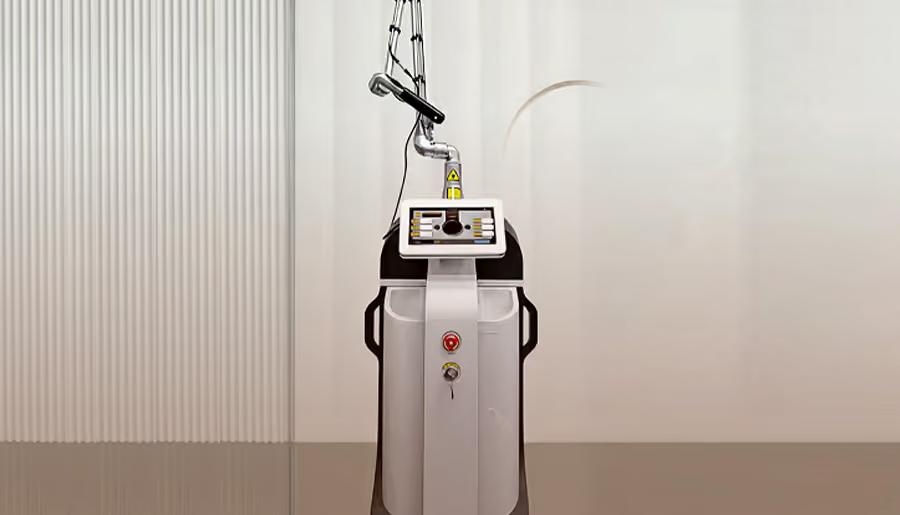
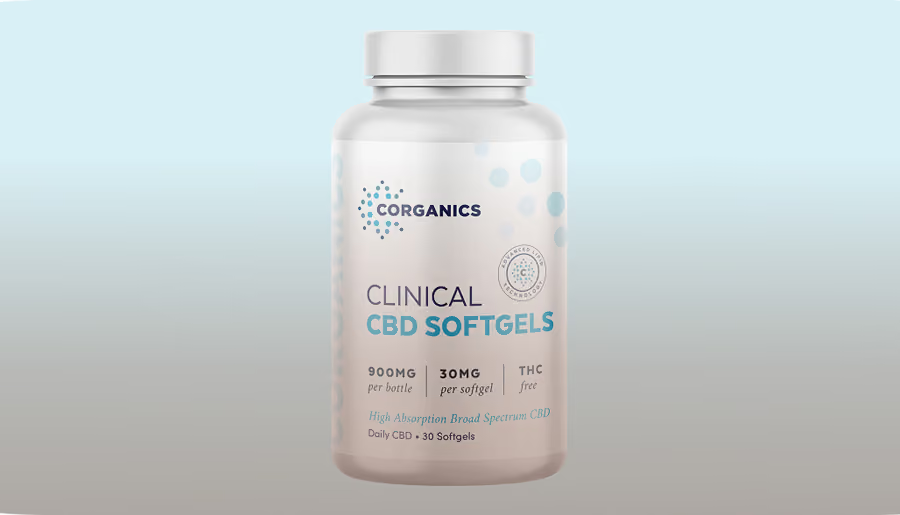
Products & Devices






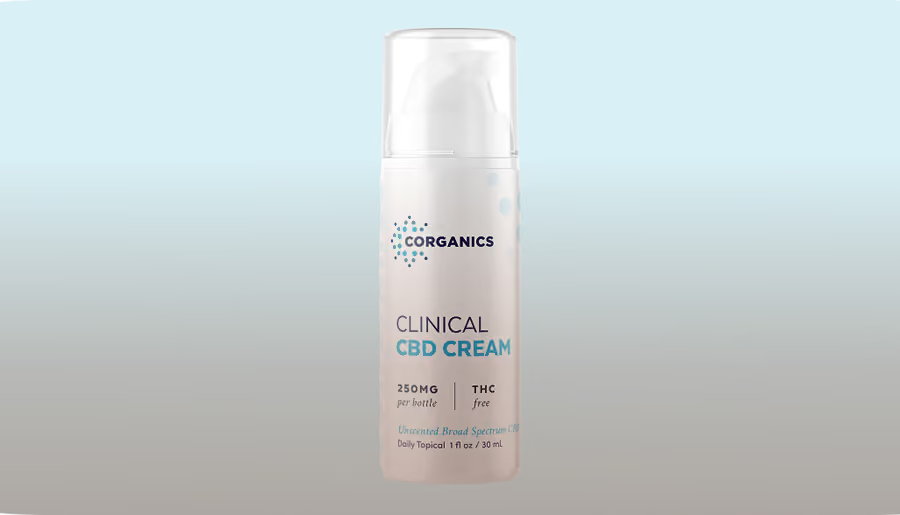
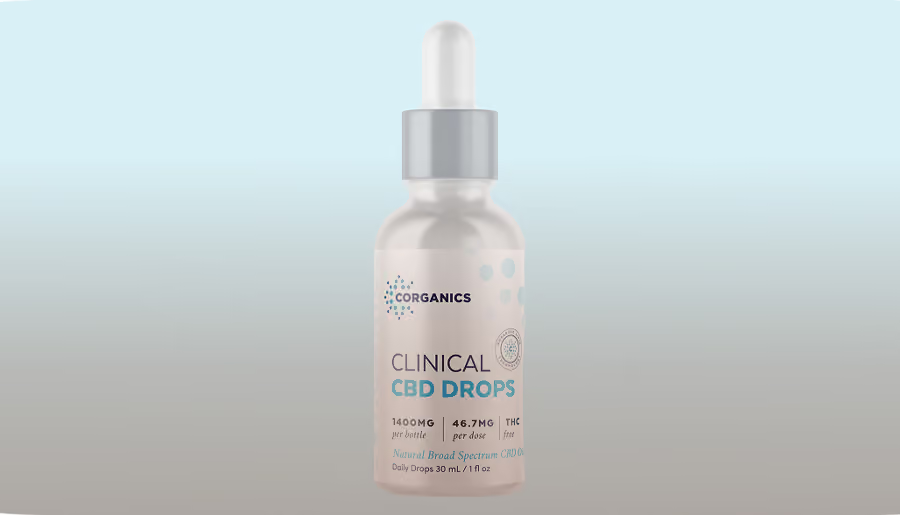
Save With RPN
Take the first step with a free cost analysis tailored to your clinic. Our team will review your current purchasing approach and identify opportunities to reduce expenses and improve efficiency. From there, you can seamlessly schedule a discovery call to explore how RPN fits into your workflow.