Menopause
Learn how menopause affects the body and discover the clinical approaches used to support hormonal balance, symptom management, and healthy aging.



Understanding Menopause
Menopause is the permanent end of menstrual cycles due to declining ovarian hormones, typically occurring between ages 45 and 55. It often begins with perimenopause and can bring physical, emotional, and metabolic changes, making personalized care important for long-term health.
Common Causes & Contributing Factors
Menopause occurs as estrogen and progesterone production gradually decline with age. Genetics, surgical removal of the ovaries, certain cancer treatments, smoking, and underlying medical conditions may influence when menopause begins and how symptoms are experienced. Lifestyle, nutrition, sleep, and overall health can also affect symptom severity.
Clinical & Functional Presentation
Common symptoms include hot flashes, night sweats, irregular periods, sleep disturbances, mood changes, vaginal dryness, decreased libido, weight gain, brain fog, fatigue, and changes in skin, hair, and body composition. Symptoms vary widely in both type and severity from one individual to another.
Clinical & Functional Impact
Hormonal Changes
Declining estrogen levels influence multiple body systems, affecting bone health, cardiovascular function, metabolism, skin quality, cognitive function, and reproductive health. These hormonal changes often extend beyond reproductive symptoms alone.
Daily Well-Being
Persistent menopausal symptoms may interfere with sleep, work performance, exercise, emotional well-being, intimate relationships, and overall quality of life. For many women, these changes develop gradually over several years.
Common Patient Concerns
Women commonly seek medical guidance for bothersome hot flashes, low energy, weight gain, difficulty sleeping, vaginal discomfort, mood changes, decreased sexual wellness, and concerns about maintaining long-term health during and after menopause.
Aesthetic & Clinical Applications
Menopause care supports hormonal balance, tissue health, metabolism, and overall wellness, using personalized plans that may include technology-based treatments, regenerative approaches, and physician-guided lifestyle and hormone strategies.
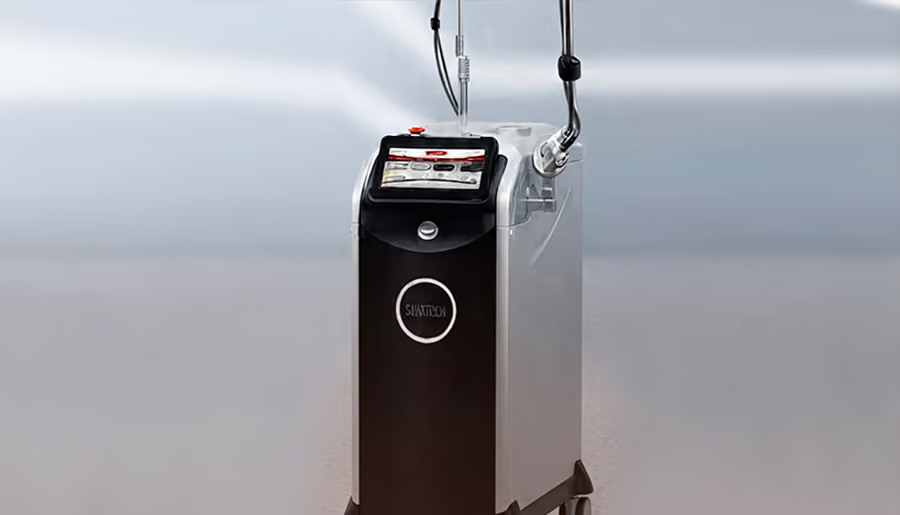
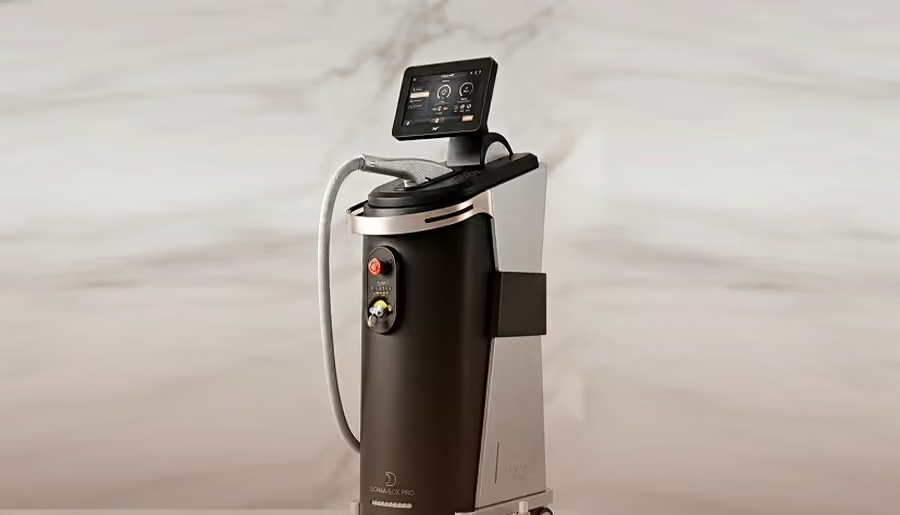
Energy-Based Technologies
Regenerative Approaches
How Modern Technologies Support Menopausal Wellness
Advanced technologies complement menopause care by supporting tissue health, promoting physiological recovery, and enhancing the body's natural regenerative processes.


Outcomes & Expected Improvements
Comprehensive menopause care is designed to reduce symptom burden, support healthy aging, and improve overall quality of life.
Energy Levels
- Increased daily energy
- Improved physical stamina
- Reduced persistent fatigue
Daily Performance
- Better mental clarity
- Enhanced physical recovery
- Improved overall productivity
Overall Results
- Greater vitality
- Improved quality of life
- Better long-term wellness
Our Happy Clients
Products & Devices

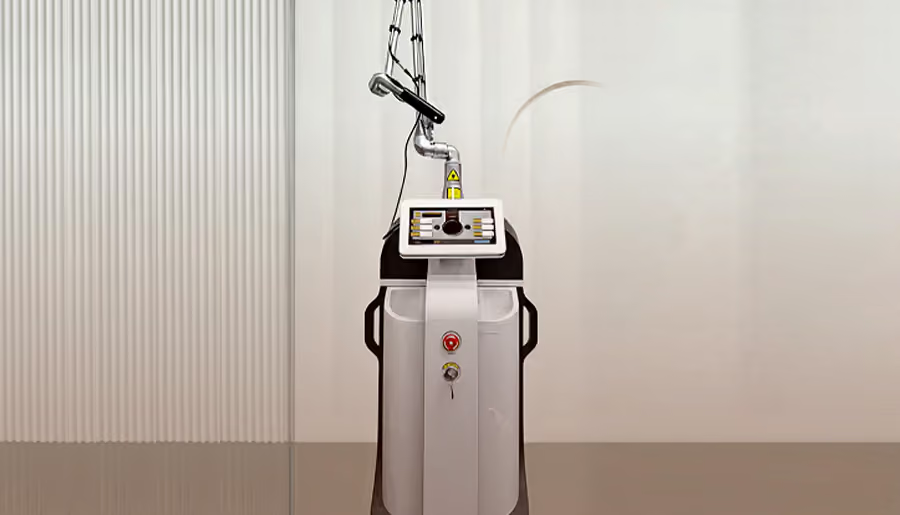
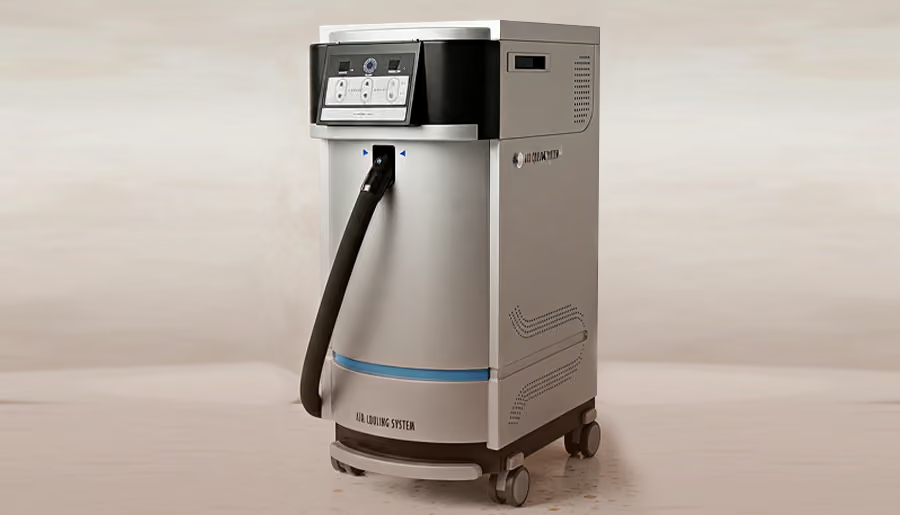
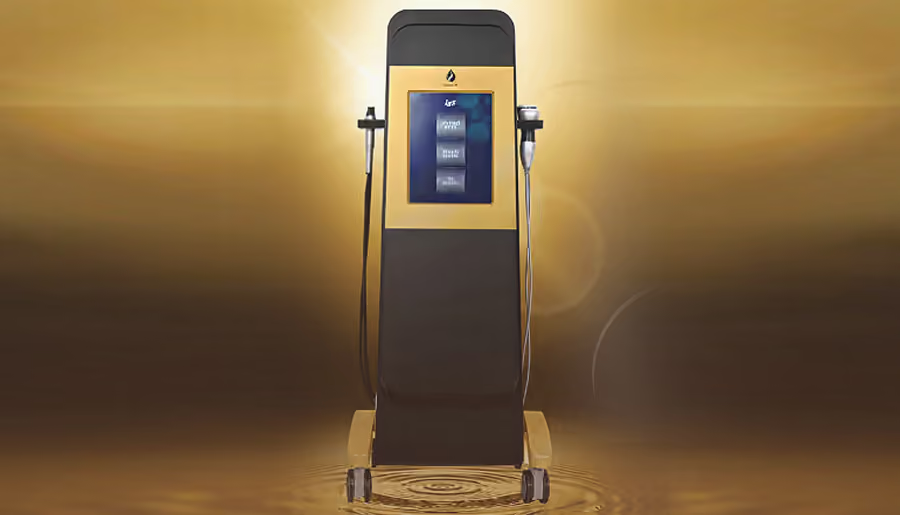

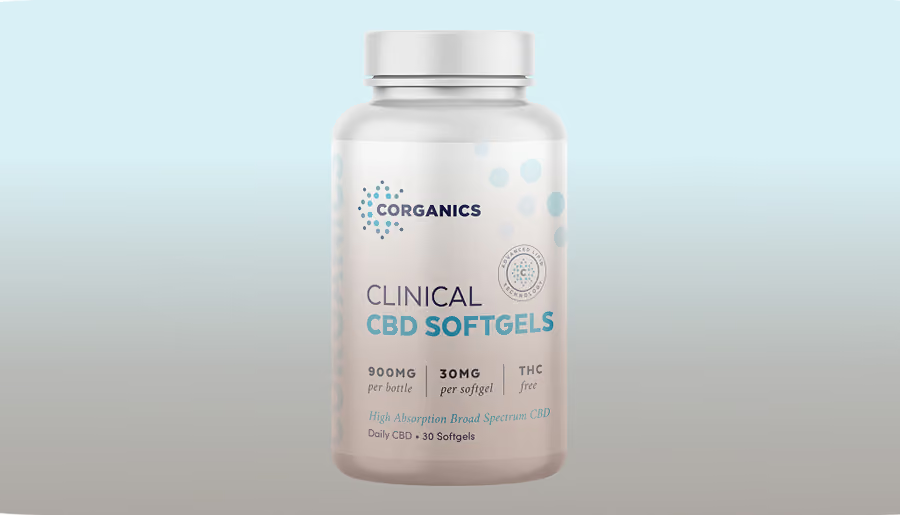
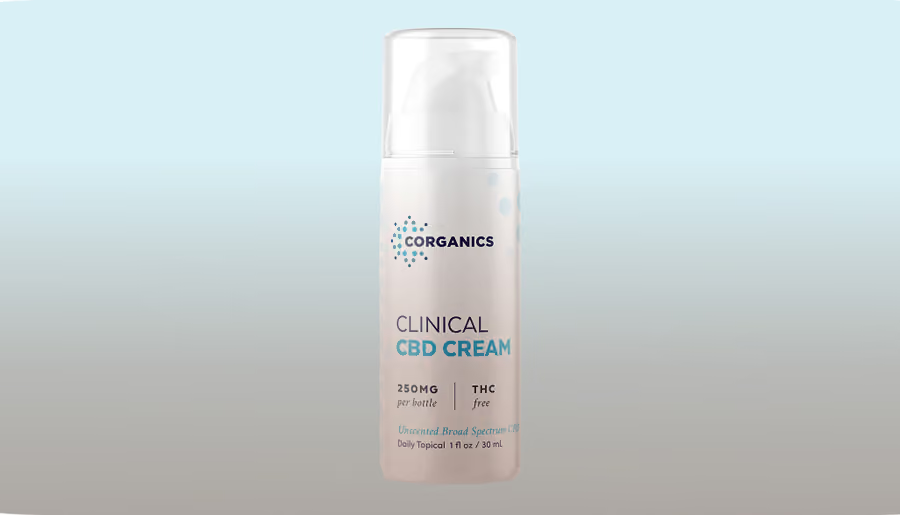
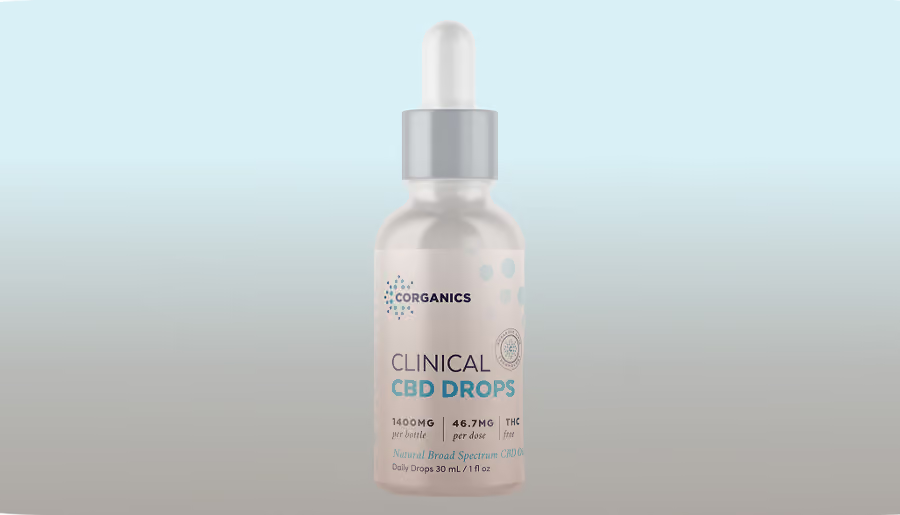
Save With RPN
Take the first step with a free cost analysis tailored to your clinic. Our team will review your current purchasing approach and identify opportunities to reduce expenses and improve efficiency. From there, you can seamlessly schedule a discovery call to explore how RPN fits into your workflow.