Hyperhidrosis
Learn about excessive sweating, its underlying causes, and the clinical approaches used to help manage perspiration and improve daily comfort and confidence.


Understanding Hyperhidrosis
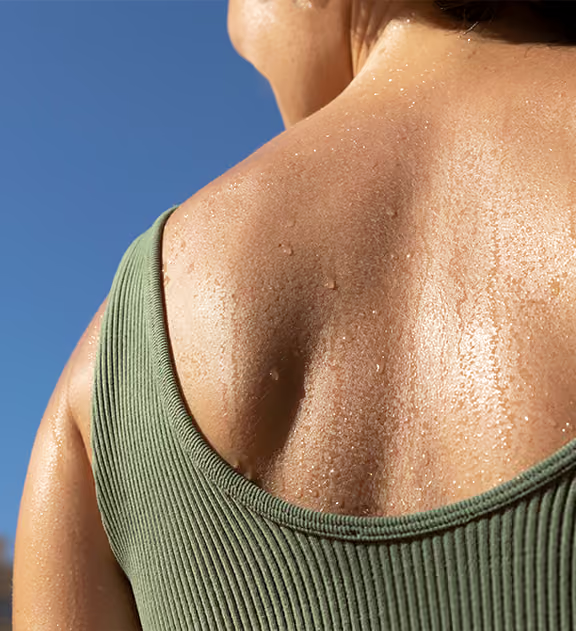
Hyperhidrosis is a medical condition characterized by excessive sweating beyond what the body needs for normal temperature regulation. It most commonly affects the underarms, palms, soles of the feet, face, or scalp and may occur without an obvious trigger or as a result of an underlying medical condition. Proper evaluation helps determine the cause and guide individualized treatment.
Common Causes & Contributing Factors
Hyperhidrosis may be primary, often caused by overactive sweat glands with a genetic predisposition, or secondary to conditions such as diabetes, thyroid disorders, infections, neurological diseases, menopause, obesity, or certain medications. Emotional stress, heat, and physical activity may further increase sweating episodes.
Clinical & Functional Presentation
Individuals with hyperhidrosis experience frequent or persistent sweating that can soak clothing, interfere with grip strength, affect footwear comfort, or cause visible perspiration during routine daily activities. Symptoms often occur even in cool environments or while at rest.
Clinical & Functional Impact
Everyday Limitations
Excessive sweating can interfere with routine tasks such as writing, using electronic devices, shaking hands, exercising, or choosing appropriate clothing. Many individuals modify their daily habits to manage persistent perspiration.
Skin Health Concerns
Constant moisture may contribute to skin irritation, chafing, fungal infections, unpleasant odor, and breakdown of the skin barrier, particularly in areas where sweat becomes trapped.
Common Patient Concerns
Individuals often seek treatment to reduce excessive sweating, improve comfort, prevent skin complications, minimize visible perspiration, and regain confidence in professional, social, and personal settings.
Aesthetic & Clinical Applications
Managing hyperhidrosis focuses on reducing excessive sweat production while preserving healthy skin and improving quality of life. Depending on the treatment area and severity, clinicians may incorporate energy-based technologies and regenerative approaches into individualized care plans.
Energy-Based Technologies
Regenerative Approaches
How Modern Technologies Help Control Excessive Sweating
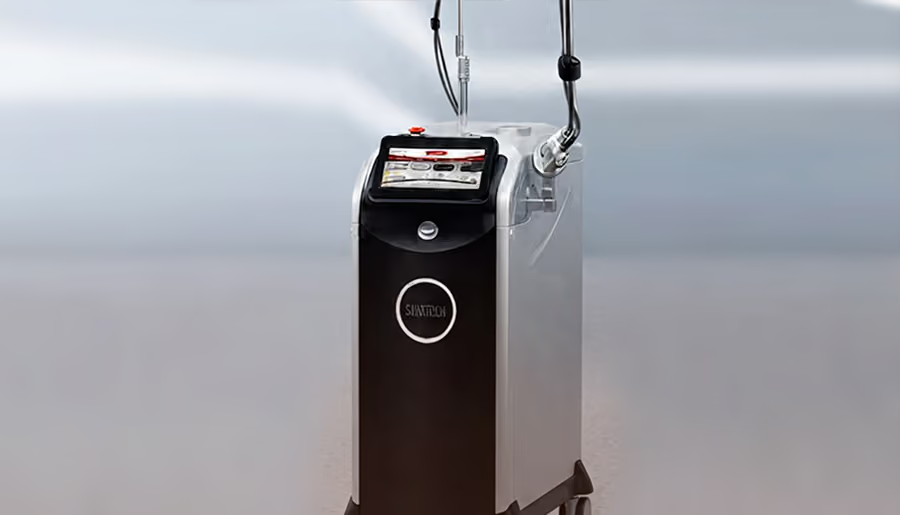
Advanced clinical technologies help manage hyperhidrosis by targeting overactive sweat glands while supporting healthy tissue function and minimizing unnecessary damage to surrounding skin.

Outcomes & Expected Improvements
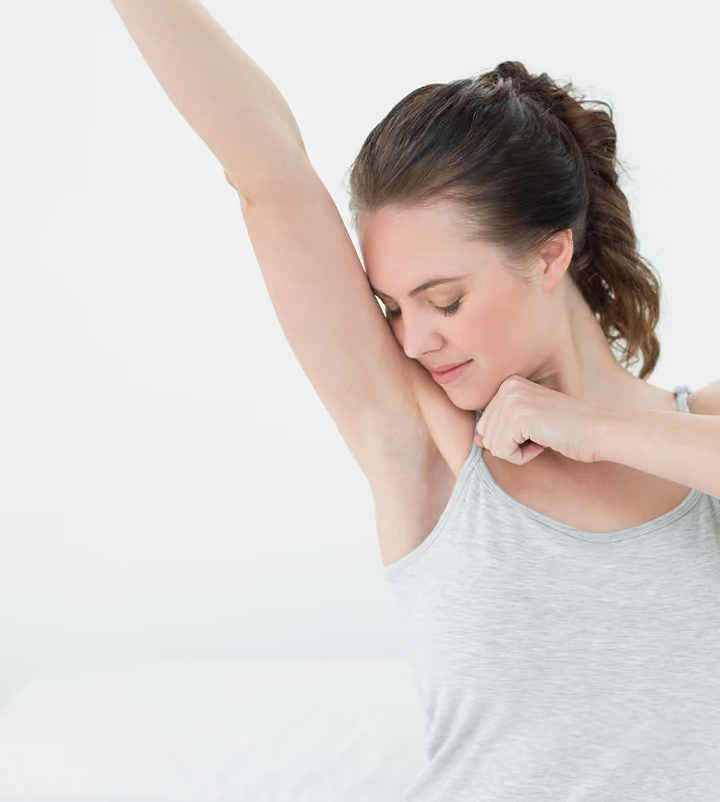
Comprehensive hyperhidrosis care is designed to reduce excessive sweating, improve comfort, and support healthier skin.
Less Excessive Sweating
Personalized treatment strategies may help reduce excessive perspiration in affected areas, making everyday activities more comfortable and manageable.
Greater Comfort & Confidence
As sweating decreases, many individuals experience greater confidence in social and professional settings, along with improved comfort during work, exercise, and daily routines.
Healthier Skin Over Time
With individualized treatment and ongoing clinical guidance, comprehensive care can help reduce moisture-related skin concerns while supporting long-term comfort and quality of life.

Our Happy Clients
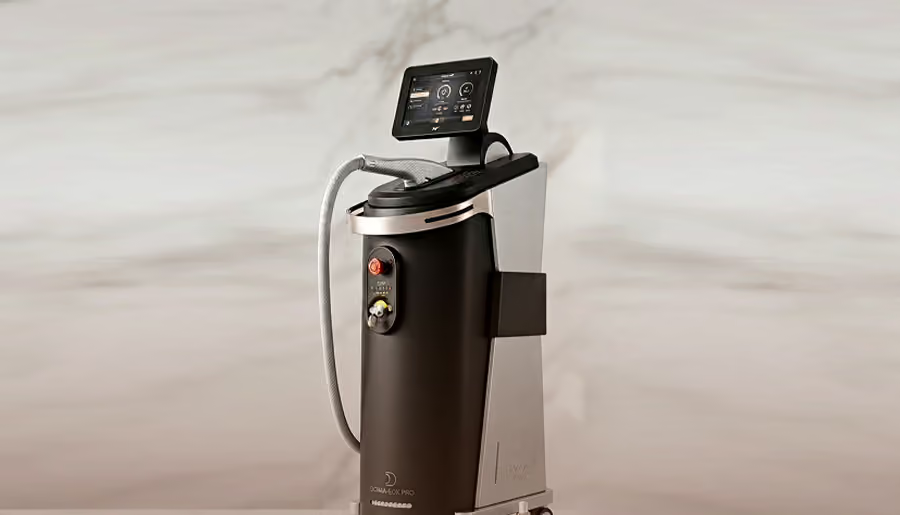
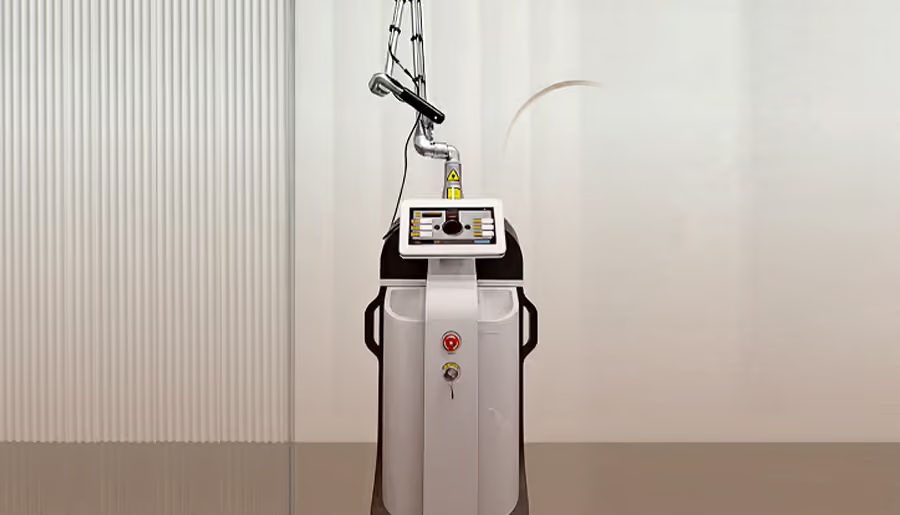
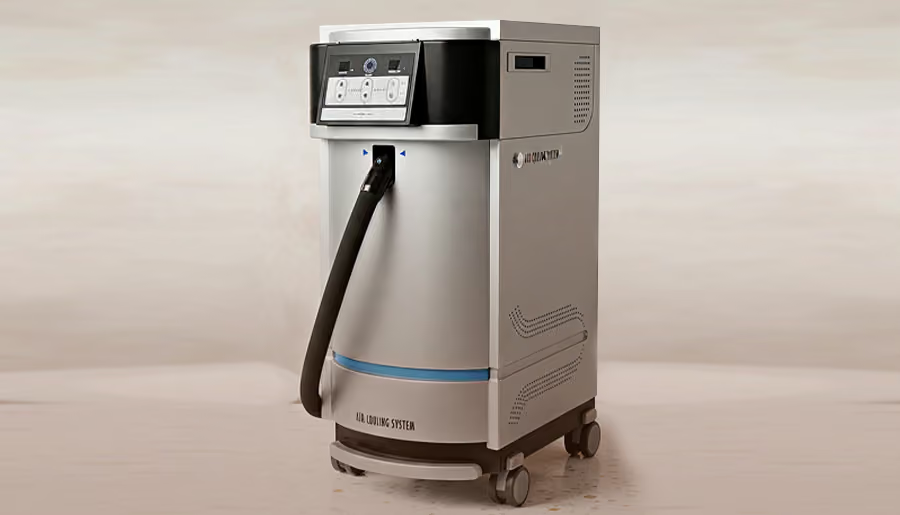
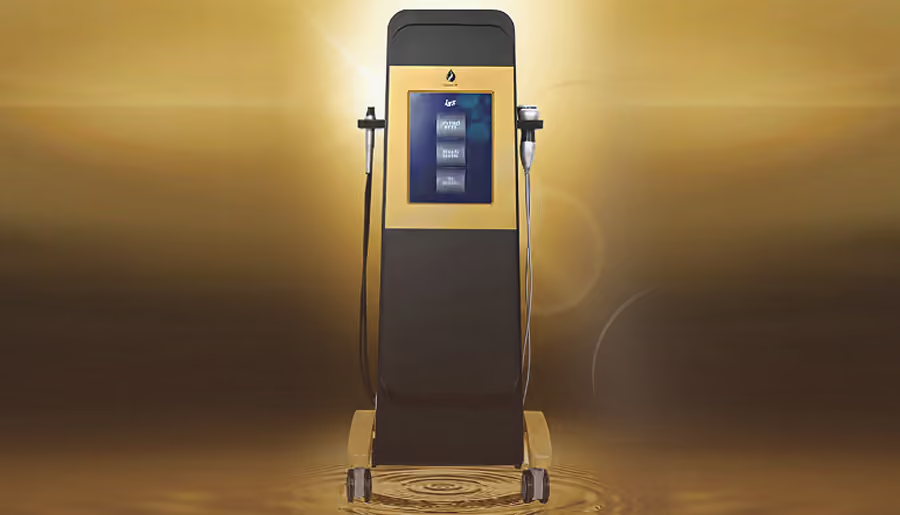
Products & Devices


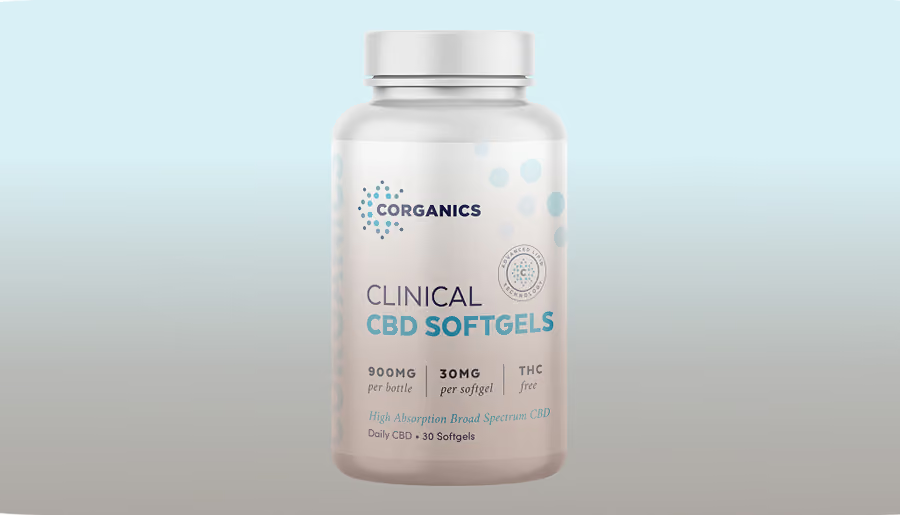
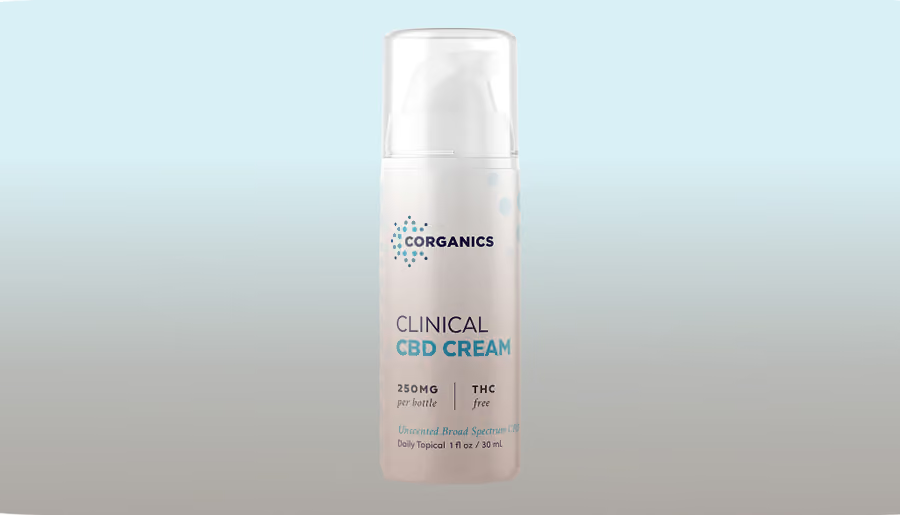
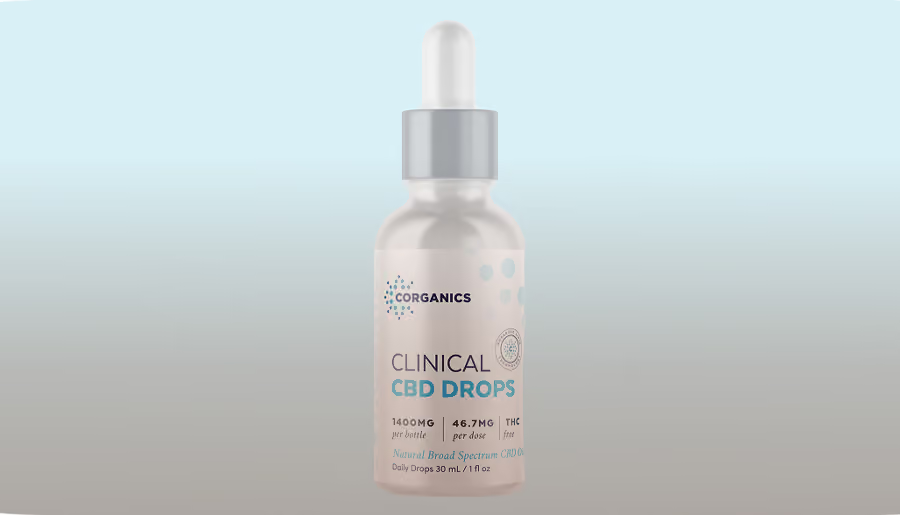
Save With RPN
Take the first step with a free cost analysis tailored to your clinic. Our team will review your current purchasing approach and identify opportunities to reduce expenses and improve efficiency. From there, you can seamlessly schedule a discovery call to explore how RPN fits into your workflow.