
Which Aesthetic Injectables Are Worth Adding in 2026?

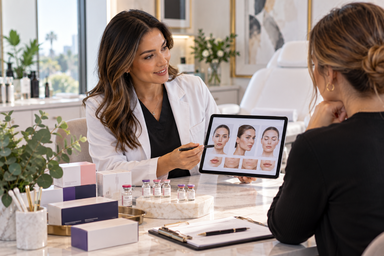
Patient demand for aesthetic injectables has not slowed down, it has simply gotten more specific. People are no longer just asking for "Botox." They are asking about biostimulators, combination treatments, and injectable weight loss options by name, which means clinics have to keep pace with a rapidly expanding menu of products just to stay relevant in their market. The challenge for independent practices is figuring out which injectables are genuinely worth adding and how to source them without letting costs spiral.
This guide covers the categories of aesthetic injectables shaping the market in 2026, how to evaluate whether a new treatment fits your practice, and how independent clinics are managing sourcing costs as their injectable menu grows.
What Categories of Aesthetic Injectables Are Clinics Expanding Into?
Neuromodulators
Neuromodulators remain the most requested category of aesthetic injectables, and patient familiarity with the treatment makes it an easy entry point for new patients exploring a practice for the first time.
Dermal Fillers
Fillers continue to evolve beyond simple volume replacement, with more patients asking about subtle, natural-looking results rather than dramatic change. This shift has pushed providers to diversify the filler brands and formulations they keep in stock.
Biostimulators and Regenerative Injectables
This is the fastest-growing segment of the aesthetic injectables market. Treatments that stimulate the body's own collagen production or support skin regeneration are drawing significant interest, particularly among patients looking for long-term skin quality improvements rather than immediate volume changes.
Injectable Weight Loss Products
Injectable weight loss treatments have reshaped what many aesthetic and wellness clinics offer, and demand shows no sign of slowing in 2026. For clinics already offering aesthetic treatments, adding weight loss injectables has become a natural extension of the patient relationship.
How Should a Clinic Decide Which Injectables to Add?
Does It Match What Your Patients Are Already Asking For?
Before adding a new injectable to the menu, it is worth reviewing consultation requests and patient inquiries from the past few months. If patients are already asking about a specific treatment, that demand signal is more reliable than guessing based on industry trends alone.
Can You Source It Reliably and at a Fair Price?
A treatment is only worth adding if a clinic can access it consistently and at a cost that supports healthy margins. This is where many independent practices run into trouble, since sourcing newer or more specialized injectables often means navigating unfamiliar suppliers.
Does Your Staff Have the Training to Deliver It Well?
Expanding the injectable menu without adequate training puts both patient outcomes and the clinic's reputation at risk. Any new treatment should come with a clear plan for provider education before it launches to patients.
How Are Independent Clinics Managing Rising Injectable Costs?
As the injectable category expands, so does the complexity of managing multiple supplier relationships, each with different pricing, minimum order requirements, and delivery timelines. Independent clinics without the purchasing volume of larger groups often end up paying more per unit simply because they cannot negotiate the same terms.
A group purchasing organization addresses this directly by combining the demand of many independent clinics into one negotiating position. RPN's network gives member clinics access to vetted suppliers across the aesthetic injectables category, including neuromodulators, fillers, biostimulators, and injectable weight loss products, through a plug-and-play sourcing system that does not require replacing every existing vendor relationship.
How Should High-End Practices Approach Their Injectable Menu?
Clinics that cater to a luxury or high-end clientele face a different set of pressures when expanding their injectable offerings. These patients often expect early access to the newest, most talked-about treatments, along with a level of consistency that a boutique or premium practice cannot afford to compromise on.
For these clinics, the priority is staying current with what is trending in the aesthetic injectables space while protecting product quality and supply reliability. A stockout or a rushed substitution can undercut the premium experience these patients are paying for. Sourcing through a vetted, group purchasing network allows a high-end practice to expand its menu confidently, knowing the products behind each treatment come from trusted suppliers rather than whichever vendor happened to have availability that week.
What Are the Risks of Expanding Too Quickly?
Overextending Inventory
Stocking too many new injectables at once can tie up cash in products that may not move as quickly as anticipated. A more measured rollout, informed by actual patient demand, tends to protect margins better than an aggressive expansion.
Losing Focus on Core Services
A clinic's most requested treatments should remain the foundation of the practice. Adding new injectables should complement that foundation, not distract from it.
Underestimating Sourcing Complexity
Every new injectable category adds another supplier relationship to manage. Without a streamlined sourcing strategy, that complexity can quietly become a bigger operational burden than the new revenue justifies.
Building an Injectable Menu That Grows With Your Practice
Expanding into new aesthetic injectables can be one of the most effective ways for a clinic to grow revenue and stay competitive, but only if the sourcing side of the equation is handled well. Independent practices that join a group purchasing network gain the pricing leverage and supplier access needed to expand their menu without absorbing unnecessary cost or risk.
If you are evaluating which injectables make sense for your practice in 2026, it is worth understanding how your sourcing costs compare to what a buying network could offer. Learn more on RPN's aesthetics solutions page or visit the RPN homepage to see how the network supports clinics nationwide.
Frequently Asked Questions
What are the main categories of aesthetic injectables in 2026? The main categories include neuromodulators, dermal fillers, biostimulators and regenerative injectables, and injectable weight loss products, each seeing different levels of demand across clinics.
How do I know if a new injectable is worth adding to my clinic's menu? Look at actual patient demand, confirm you can source the product reliably at a fair price, and make sure your team is properly trained before introducing any new treatment.
Why are aesthetic injectable costs so hard to manage for independent clinics? Independent clinics typically lack the purchasing volume that larger groups use to negotiate better pricing, which can lead to higher per-unit costs across multiple supplier relationships.
Can a group purchasing network help with sourcing specialized injectables? Yes. A network that has already vetted suppliers across multiple injectable categories can simplify sourcing for treatments a clinic might struggle to source well on its own.
Do I have to replace my current suppliers to benefit from group purchasing? No. A well-designed group purchasing model is meant to complement existing supplier relationships, filling gaps rather than requiring a full changeover.
This article was updated in September 2026 to reflect current trends in aesthetic injectables across the United States.
So, Ready to Expand Your Menu Without the Guesswork?
Growing your injectable offerings should not mean gambling on sourcing. See how RPN helps clinics nationwide access vetted suppliers for the aesthetic injectables patients are already asking about.